
How to Send a Fax Using Email: Practical Guidance for U.S. Businesses
What Is Email to Fax and Who Needs It?
“Email to fax” is a service that lets you send a traditional fax directly from your email client without needing a physical fax machine. The service converts your digital document (PDF, DOCX, JPG, etc.) into a fax transmission and delivers it over the telephone network to the recipient’s fax line.
This technology is ideal for small‑to‑medium businesses, remote teams, legal offices, healthcare providers, and anyone who still communicates with partners that rely on fax but wants to avoid the hassle of paper and hardware.
How Email to Fax Works – The Technical Flow
When you compose an email, you address it to a special number provided by your fax service (e.g., 1234567890@faxprovider.com). The service receives the email, extracts the attached files, and converts them into a fax‑compatible format. It then dials the destination number, sends the data over the PSTN, and optionally returns a delivery receipt to your inbox.
The entire process usually takes a few seconds to a couple of minutes depending on file size, network latency, and the recipient’s line quality. No additional software or drivers are required beyond your regular email client.
Key Features to Look for in an Email‑to‑Fax Service
Document Handling
- Support for common file types (PDF, DOCX, XLSX, JPG, PNG).
- Automatic page‑size detection and scaling.
- Multi‑page document support with optional split or merge.
Delivery Confirmation
- Real‑time status notifications (sent, delivered, failed).
- Secure PDF receipts that can be stored for compliance.
- Webhook or email callbacks for automated workflows.
Scalability and Automation
- API access for bulk faxing and integration with CRM or ERP systems.
- Batch processing of large document sets.
- Dashboard with usage analytics and quota management.
Benefits and Typical Use Cases
Using email to fax delivers a blend of modern convenience and legacy compatibility. It reduces hardware costs, eliminates paper waste, and speeds up communication cycles.
Common scenarios include:
- Sending signed contracts to legal counterparts who require a fax signature.
- Transmitting medical records securely to a hospital’s fax line.
- Distributing purchase orders to suppliers still using fax.
- Automating invoice delivery from accounting software via API.
Setting Up Email to Fax – Step‑by‑Step Guide
1. Choose a Provider
Start by comparing providers based on features, pricing, and compliance (HIPAA, GDPR, etc.). Look for a free trial or a pay‑as‑you‑go plan if you have low volume.
2. Register and Verify Your Domain
After signing up, verify the email address or domain you’ll use to send faxes. Verification helps prevent spoofing and ensures reliable delivery.
3. Configure Sending Addresses
Each fax number you’ll send to is represented by a unique email address (e.g., 5551234567@provider.com). Add these addresses to your contacts for quick access.
4. Test with a Sample Document
Compose an email, attach a small PDF, and send it to a test fax number. Check the delivery receipt in your inbox and confirm the fax appears correctly on the receiving end.
Once the test succeeds, you can roll out the workflow to your team. For larger deployments, consider using the provider’s API to automate the process directly from your business applications.
Pricing Models and Cost Considerations
Most email‑to‑fax services offer three primary pricing structures: pay‑per‑fax, monthly subscription with a set number of pages, and enterprise plans with unlimited volume.
| Plan Type | Typical Cost | Best For |
|---|---|---|
| Pay‑per‑fax | $0.10‑$0.30 per page | Occasional users or startups |
| Monthly Subscription | $15‑$45 for 100‑500 pages | Small businesses with predictable volume |
| Enterprise Unlimited | Custom pricing (often $200+ per month) | Large organizations with high‑volume needs |
When budgeting, factor in additional costs such as inbound fax numbers, API usage fees, and optional features like encrypted transmission.
Security, Compliance, and Reliability
Because faxes often contain sensitive information, security is a top priority. Look for services that offer:
- TLS/SSL encryption for email‑to‑service communication.
- AES‑256 encryption for stored documents.
- Auditable logs and tamper‑proof receipts.
- Compliance certifications (HIPAA, SOC 2, ISO 27001) when required.
Reliability is measured by network uptime, successful delivery rates, and support responsiveness. Choose providers with documented SLAs and 24/7 customer support to minimize downtime.
Integration and Automation Options
Many businesses integrate email‑to‑fax with existing workflows. Common integration points include:
- CRM systems (e.g., Salesforce) to fax leads or contracts directly from a record.
- Accounting software (e.g., QuickBooks) to send invoices automatically.
- Document management platforms (e.g., SharePoint) for secure archiving of sent faxes.
APIs typically use RESTful endpoints with JSON payloads, allowing developers to embed fax functionality into custom applications without manual email composition.
Choosing the Right Provider – Decision Checklist
Before committing, run through this short checklist to ensure the service aligns with your business needs:
- Does the provider support the file formats you use?
- Are pricing and volume limits compatible with your expected fax traffic?
- Is the service compliant with any industry regulations you must meet?
- Does the provider offer a clear API and documentation for integration?
- What level of customer support and SLA guarantees are provided?
Answering these questions will help you avoid hidden costs and ensure a smooth transition to a paper‑free fax workflow.
Getting Started
Now that you understand the basics, you’re ready to implement email to fax in your organization. Follow the setup steps, evaluate pricing, and integrate with your existing tools to streamline communications.
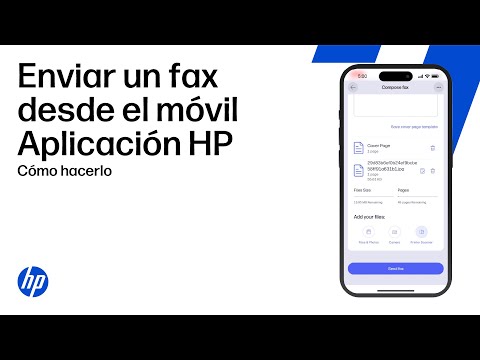
For a quick walkthrough of the entire process, see our guide on how to send a fax via email.